A Comprehensive Guide to Industrial Generators
Industrial generators provide electrical power for facilities that require dependable energy.
Industrial Generators
They are commonly used in factories, construction sites, warehouses, hospitals, and other commercial operations. Businesses researching industrial generators for sale should understand their capacity, fuel requirements, operating costs, and technical specifications before making a purchasing decision.
Unlike smaller household generators, industrial systems are designed to support larger electrical loads and demanding operating environments. Depending on their configuration, they can provide backup electricity during outages or serve as a primary power source where regular electricity is unavailable.
What Are Industrial Generators?
An industrial generator is a machine that converts mechanical energy into electrical energy. Most systems use an engine powered by diesel, natural gas, or another fuel to rotate an alternator, which produces electricity.
These generators are available in different capacities and configurations. Their size and output depend on the electrical requirements of the facility, the equipment being operated, and the expected operating duration.
Why Do Businesses Need Industrial Generators?
Electricity interruptions can affect production schedules, equipment operation, storage conditions, and workplace activities. An industrial backup power system helps facilities maintain essential operations when the main electricity supply becomes unavailable.
Businesses may use generators for several reasons:
Maintaining essential machinery during power interruptions.
Supporting production facilities with continuous electricity requirements.
Providing electricity at remote construction and industrial sites.
Protecting temperature-sensitive storage and processing operations.
Supporting emergency electrical requirements in critical facilities.
Importance of Industrial Generators
Industrial generators play an important role in power management and business continuity. Facilities that depend on electrical machinery may experience operational difficulties when electricity becomes unavailable.
A properly selected generator can supply power to essential equipment and reduce interruptions. However, its effectiveness depends on correct sizing, installation, maintenance, and compliance with applicable electrical and environmental requirements.
Supporting Business Continuity
Manufacturing facilities often operate multiple machines that require a stable electricity supply. An unexpected outage can interrupt production, affect materials, and create scheduling challenges.
Industrial generators provide an alternative source of electricity when the main supply fails. Depending on the system design, automatic transfer switches can help transfer selected electrical loads to generator power.
Supporting Different Industries
Industrial generators are used across several sectors because their power requirements vary considerably.
Common applications include:
Manufacturing: Operating machinery, production lines, and supporting equipment.
Construction: Supplying electricity to tools, temporary facilities, and site equipment.
Healthcare: Supporting essential electrical systems and selected medical facility operations.
Agriculture: Powering irrigation equipment, processing systems, and storage facilities.
Warehousing: Supporting lighting, material-handling equipment, and refrigeration systems.
Telecommunications: Maintaining electricity for communication infrastructure and network equipment.
Types of Industrial Generators
Industrial generators are available in several types. The main differences relate to fuel source, engine design, operating capacity, and intended application.
Diesel Industrial Generators
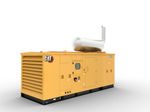
Diesel industrial generators are commonly used in industrial and commercial environments. They are designed to support substantial electrical loads and are available in various power capacities.
Their suitability depends on fuel availability, operating hours, maintenance requirements, noise restrictions, and emissions regulations. Businesses should also consider proper fuel storage and ventilation arrangements.
Natural Gas Generators
Natural gas generators use pipeline gas or an appropriate gas supply to produce electricity. They may be suitable for facilities with reliable access to natural gas infrastructure.
Fuel availability and supply pressure are important considerations. These systems also require appropriate installation and compliance with relevant safety standards.
Portable Industrial Generators
Portable industrial generators are designed to be moved between different work locations. They are useful for construction projects, temporary operations, and locations where permanent electrical infrastructure is unavailable.
Their power output is generally selected according to the connected equipment. Proper grounding, electrical connections, ventilation, and operating procedures remain essential.
Standby Industrial Generators
Standby generators are installed to provide backup electricity when the primary power source fails. Many systems operate with automatic controls that detect an interruption and initiate the backup supply.
They are commonly used in commercial buildings, industrial facilities, and critical infrastructure. Their configuration depends on the electrical loads that need backup support.
Comparing Industrial Generator Types
Understanding the differences between generator types can help businesses identify suitable equipment for their operational requirements.
| Generator type | Primary application | Important consideration |
|---|---|---|
| Diesel generator | Industrial and commercial operations | Fuel storage and maintenance |
| Natural gas generator | Facilities with gas infrastructure | Continuous fuel availability |
| Portable generator | Temporary work locations | Mobility and power capacity |
| Standby generator | Emergency backup electricity | Automatic transfer systems |
| Prime power generator | Regular or variable power demand | Operating hours and load profile |
The table provides a general overview. Actual performance and suitability depend on the manufacturer's specifications and installation conditions.
Factors to Consider Before Buying Industrial Generators
Selecting an industrial generator requires more than comparing the industrial generator price. Businesses should evaluate technical requirements, operating conditions, installation expenses, and long-term maintenance needs.
Power Capacity and Electrical Load
Generator capacity is one of the most important purchasing considerations. Businesses should calculate the total electrical demand of connected equipment, including starting requirements for motors and machinery.
Generator capacity is commonly expressed in kilowatts (kW) or kilovolt-amperes (kVA). A qualified electrical professional can help determine the appropriate rating and account for power factor, starting loads, and future expansion.
Fuel Type and Operating Costs
Fuel selection influences operating expenses and equipment requirements. Diesel, natural gas, and other available fuel options have different storage, supply, maintenance, and environmental considerations.
Businesses should compare expected fuel consumption at different load levels rather than relying only on the advertised maximum output.
Industrial Generator Price and Budget
Industrial generator prices vary according to power capacity, engine type, manufacturer, control systems, enclosure, and additional features. Installation requirements and local market conditions can also influence the total investment.
A purchasing budget should consider:
Equipment purchase price.
Transportation and installation expenses.
Electrical connections and transfer equipment.
Fuel storage or supply arrangements.
Routine maintenance and replacement components.
Inspection and regulatory compliance costs.
Comparing the total ownership cost provides a clearer understanding of long-term expenses.
Supplier and Manufacturer Evaluation
When comparing industrial generator suppliers or industrial generator manufacturers, businesses should review product documentation, technical specifications, warranty conditions, and service availability.
It is also useful to check whether replacement parts and qualified maintenance support are accessible. Clear documentation can help facilities understand operating limits and servicing requirements.
Frequently Asked Questions
What Size Industrial Generator Does a Business Need?
The required size depends on total electrical demand, equipment starting loads, operating conditions, and future requirements. A professional load assessment helps determine suitable capacity.
What Is the Average Industrial Generator Price?
There is no single standard price. Industrial generator costs depend on capacity, fuel type, manufacturer, configuration, installation, and additional equipment.
Are Diesel Industrial Generators Suitable for Factories?
Diesel generators can support many factory applications. Their suitability depends on power requirements, operating schedules, fuel availability, ventilation, and applicable emissions regulations.
How Often Should Industrial Generators Be Maintained?
Maintenance frequency depends on manufacturer instructions, operating hours, environmental conditions, and equipment design. Regular inspections and scheduled servicing help identify potential issues.
Should Businesses Buy or Rent Industrial Generators?
Purchasing may suit facilities with long-term or regular power requirements. Industrial generator rental may be more practical for temporary construction projects, short-term operations, or occasional backup requirements.
Conclusion
Industrial generators support electricity requirements across manufacturing, construction, healthcare, agriculture, and other sectors. Selecting suitable equipment involves evaluating generator capacity, fuel type, installation requirements, purchase costs, and maintenance needs.
A careful comparison of technical specifications and operating expenses can help businesses make informed purchasing decisions.