Soundproofing Explained: Knowledge, Details, and Helpful Suggestions for Every Space
Soundproofing refers to the process of reducing or blocking unwanted noise from entering or leaving a space.
It has been used for decades in environments such as recording studios, factories, offices, and homes where controlling sound is important. Today, soundproofing solutions are widely applied in both residential and commercial settings to improve comfort, productivity, and privacy.
The concept of acoustic soundproofing is often misunderstood. Many people assume it completely eliminates sound, but in reality, it focuses on reducing sound transmission and managing noise levels. Techniques such as room soundproofing and home soundproofing combine materials and structural adjustments to limit how sound travels through walls, ceilings, and floors.
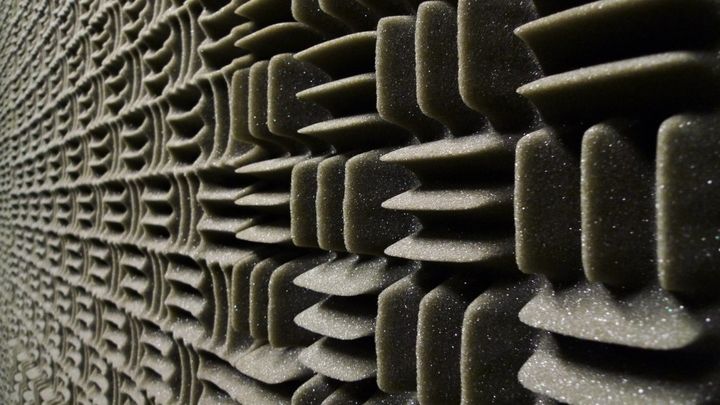
Modern soundproofing materials include dense insulation, wall soundproofing panels, and soundproofing foam panels. These materials are designed to absorb, block, or dampen sound waves, depending on their composition and placement. Whether for studio soundproofing services or everyday living spaces, the goal remains the same: to create quieter and more controlled environments.
Importance
Noise pollution is a growing concern in urban areas and industrial zones. Constant exposure to unwanted sound can affect concentration, sleep, and overall well-being. Soundproofing helps address these challenges by creating environments where noise is minimized and controlled.
For individuals working from home, home soundproofing can reduce distractions and improve productivity. In shared living spaces, it can enhance privacy and reduce disturbances between rooms or neighboring units. Room soundproofing is especially useful for activities such as online meetings, studying, or entertainment.
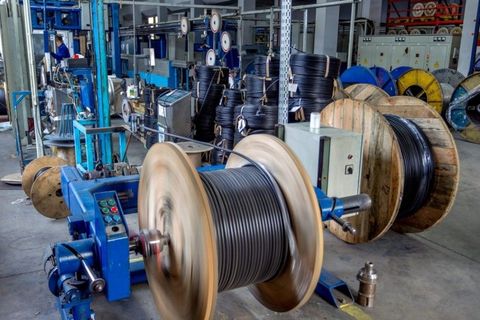
In professional environments, commercial soundproofing and industrial soundproofing play a critical role. Offices benefit from reduced background noise, while factories use soundproof insulation to limit machinery noise. In creative fields, soundproofing for recording studios ensures clean audio capture without external interference.
Key benefits of soundproofing include:
- Improved concentration by reducing background noise
- Enhanced privacy in residential and commercial spaces
- Better sound quality in studios and media environments
- Reduced stress caused by constant noise exposure
Recent Updates
Recent trends in soundproofing focus on sustainability, efficiency, and multi-functional design. Many newer soundproofing materials are made from recycled or eco-friendly components, reflecting a broader shift toward environmentally conscious construction.
Another development is the integration of acoustic soundproofing into building design from the beginning, rather than as an afterthought. Architects and designers now consider sound control alongside energy efficiency and ventilation.
Technological advancements have also influenced soundproofing solutions. For example, modular wall soundproofing panels and lightweight soundproofing foam panels are easier to install and adapt to different spaces. Digital tools are increasingly used to simulate noise levels and predict the effectiveness of various solutions.
In commercial settings, there is a growing demand for commercial acoustic consulting services. These involve analyzing sound behavior within a space and identifying suitable approaches to reduce noise without disrupting functionality.
Laws or Policies
Soundproofing practices are often influenced by building codes and environmental regulations. In many regions, including India, noise control is governed by standards that define acceptable noise levels in residential, commercial, and industrial areas.
For example, guidelines from the Central Pollution Control Board (CPCB) outline permissible noise levels for different zones. These rules aim to limit noise pollution and protect public health. Buildings located near high-noise areas, such as highways or industrial zones, may require additional soundproof insulation to meet these standards.
Construction regulations may also include requirements for acoustic performance, particularly in multi-unit housing and commercial buildings. These rules ensure that sound transmission between units is minimized.
In industrial settings, workplace safety regulations often require measures to reduce noise exposure for workers. Industrial soundproofing solutions, such as enclosures and barriers, are commonly used to comply with these requirements.
Tools and Resources
Various tools and resources can help individuals and organizations understand and implement soundproofing solutions effectively. These tools range from simple measurement devices to advanced planning software.
Common tools include:
- Sound level meters: Used to measure noise intensity in decibels
- Acoustic calculators: Help estimate sound reduction based on materials and room size
- Room design software: Allows users to simulate sound behavior and test different configurations
- Material guides: Provide information about different soundproofing materials and their properties
The table below summarizes common soundproofing materials and their functions:
| Material Type | Function | Typical Use Case |
|---|---|---|
| Soundproof insulation | Blocks sound transmission | Walls, ceilings, floors |
| Wall soundproofing panels | Absorbs and diffuses sound | Offices, studios, meeting rooms |
| Soundproofing foam panels | Reduces echo and reverberation | Recording and media spaces |
| Mass-loaded barriers | Adds density to block noise | Industrial and commercial areas |
| Acoustic sealants | Closes gaps and leaks | Doors, windows, joints |
For those exploring studio soundproofing services or commercial acoustic consulting services, professional assessments may involve detailed analysis of room acoustics and noise sources.
FAQs
What is the difference between soundproofing and acoustic treatment?
Soundproofing focuses on blocking or reducing sound from entering or leaving a space. Acoustic treatment, on the other hand, improves how sound behaves within a room by reducing echo and enhancing clarity.
Which soundproofing materials are commonly used in homes?
Common materials include soundproof insulation, wall soundproofing panels, and soundproofing foam panels. These are used in walls, ceilings, and floors to reduce noise transmission and improve comfort.
How effective is room soundproofing in apartments?
Room soundproofing can reduce noise levels significantly, but it may not eliminate all sound. Effectiveness depends on factors such as wall structure, materials used, and how well gaps are sealed.
What is involved in soundproofing for recording studios?
Soundproofing for recording studios typically includes dense insulation, specialized panels, and sealed structures to prevent external noise from interfering with recordings. It may also involve acoustic adjustments داخل the room.
Are commercial soundproofing and industrial soundproofing different?
Yes, commercial soundproofing is often used in offices and public spaces to improve comfort and privacy, while industrial soundproofing focuses on controlling noise from machinery and meeting workplace safety requirements.
Conclusion
Soundproofing plays an important role in managing noise across various environments, from homes to industrial facilities. By using appropriate materials and techniques, it is possible to reduce unwanted sound and improve overall comfort. Modern soundproofing solutions continue to evolve, incorporating sustainable materials and advanced design approaches. Understanding the basics of acoustic soundproofing helps individuals make informed decisions about noise control in their spaces. While complete silence is rarely achievable, effective soundproofing can significantly enhance the quality of everyday environments.