Luxury Watches: A Complete Guide to Premium Timepieces
Luxury watches represent more than a way to tell time.
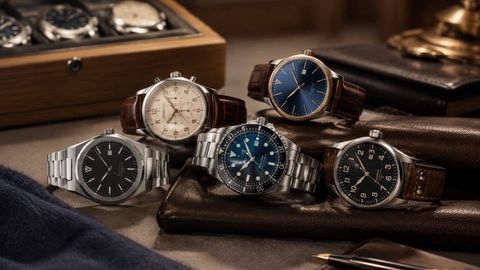
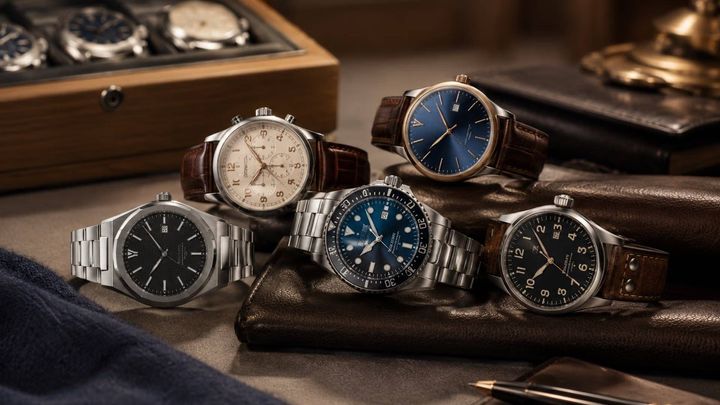
They combine precision engineering, traditional craftsmanship, sophisticated design, and personal style. From elegant dress watches to advanced sports chronographs, premium timepieces appeal to people who appreciate quality, attention to detail, and timeless accessories.
A well-designed luxury watch can complement professional attire, enhance everyday outfits, and become a meaningful personal possession. Some watches are admired for their mechanical movements, while others stand out because of their distinctive designs, innovative materials, or historical significance.
Whether you are purchasing your first premium timepiece or expanding an existing collection, understanding watch movements, materials, features, and brand heritage can help you make an informed decision.
What Are Luxury Watches?
Luxury watches are premium timepieces distinguished by their craftsmanship, materials, design, engineering, and brand reputation. They are often manufactured using carefully selected components and undergo detailed assembly and quality-control processes.
Unlike basic watches designed primarily for timekeeping, luxury timepieces frequently emphasize mechanical precision, aesthetic refinement, durability, and specialized complications.
Common characteristics include:
High-quality stainless steel, gold, platinum, or titanium cases
Sapphire crystal for scratch resistance
Automatic, mechanical, or advanced quartz movements
Carefully finished dials and watch hands
Premium leather, metal, or specialist-material straps
Water resistance and additional functional features
Distinctive designs and established brand heritage
The value of a luxury watch depends on several factors, including its movement, materials, manufacturing quality, rarity, condition, and market demand.
Types of Luxury Watches
1. Luxury Automatic Watches
Automatic watches operate through a mechanical movement powered by the motion of the wearer's wrist. A rotor inside the watch moves as the wrist moves, helping wind the mainspring.
These watches are popular among enthusiasts because of their mechanical complexity and traditional engineering.
2. Luxury Mechanical Watches
Mechanical watches use a manually wound mainspring to power their movement. They are appreciated for their intricate internal mechanisms and traditional watchmaking techniques.
Collectors often value the craftsmanship involved in producing and assembling these timepieces.
3. Luxury Quartz Watches
Quartz watches use an electronic oscillator regulated by a quartz crystal to maintain accurate time. They are generally convenient to maintain and can offer excellent timekeeping precision.
Premium quartz models may also feature refined materials, elegant designs, and advanced functionality.
4. Luxury Sports Watches
Sports watches combine durability with distinctive styling. They may include enhanced water resistance, robust cases, rotating bezels, and chronograph functions.
They are suitable for people who want a premium timepiece that can complement both casual and active lifestyles.
5. Luxury Dress Watches
Dress watches typically feature slim profiles, understated dials, and elegant straps. They are designed to complement formal clothing and professional settings.
Minimalist styling and refined proportions make them a popular choice for formal occasions.
Popular Luxury Watch Brands
Several established watchmakers are recognized for their distinctive designs, technical expertise, and manufacturing heritage.
Rolex: Known for iconic sports watches, robust construction, and recognizable designs.
Patek Philippe: Celebrated for sophisticated mechanical movements and traditional craftsmanship.
Audemars Piguet: Recognized for bold designs and the iconic Royal Oak collection.
Omega: Popular for precision engineering, sports watches, and chronographs.
Cartier: Combines elegant watch designs with distinctive jewellery-inspired styling.
Vacheron Constantin: Known for heritage, refined finishing, and complicated timepieces.
Jaeger-LeCoultre: Respected for movement development and innovative mechanical designs.
Grand Seiko: Appreciated for precise movements, detailed finishing, and distinctive dials.
Important Features to Consider in Luxury Watches
Movement Quality
The movement is the mechanism responsible for keeping time. Buyers should understand whether a watch uses an automatic, manual mechanical, or quartz movement.
Movement quality can influence accuracy, maintenance requirements, durability, and the overall ownership experience.
Case Materials
Luxury watches are manufactured using different materials, each offering distinct characteristics.
Stainless steel: Durable, versatile, and suitable for everyday use.
18-karat gold: Provides a prestigious appearance and precious-metal value.
Platinum: A premium material known for its density and durability.
Titanium: Lightweight, strong, and comfortable for extended wear.
Ceramic: Offers a modern appearance and excellent scratch resistance.
Sapphire Crystal
Sapphire crystal is widely used in premium watches because of its strong resistance to scratches. It helps protect the dial while maintaining clear visibility.
Water Resistance
Water resistance ratings indicate how well a watch is designed to withstand water exposure under specified testing conditions. Buyers should understand the rating and follow the manufacturer's instructions rather than assuming every water-resistant watch is suitable for swimming or diving.
Watch Complications
Complications are additional functions beyond basic time display. Common examples include:
Chronograph for measuring elapsed time
Date and day displays
GMT for tracking another time zone
Moonphase indicators
Annual and perpetual calendars
Power reserve indicators
Tourbillon mechanisms
These features demonstrate different aspects of watchmaking engineering and can influence the complexity and price of a timepiece.
How to Choose the Right Luxury Watch
Choosing a luxury watch involves balancing personal style, budget, comfort, and practical requirements.
1. Define Your Budget
Luxury watches are available across a wide range of price categories. Establishing a budget helps narrow down suitable brands and collections.
Remember to account for servicing, insurance, accessories, and potential repair expenses.
2. Identify Your Preferred Style
Consider whether you prefer a classic dress watch, a versatile everyday model, a bold sports watch, or a complicated mechanical timepiece.
Your preferred clothing style and typical occasions can help determine the most suitable design.
3. Select the Appropriate Case Size
Case diameter, thickness, lug-to-lug measurement, and bracelet design influence how a watch sits on the wrist.
Whenever possible, try the watch on before purchasing it. A well-proportioned watch should feel comfortable and balanced.
4. Research the Brand and Model
Compare the manufacturer's reputation, movement specifications, warranty, service network, and available collections.
It is also useful to research the specific model rather than relying entirely on the brand name.
5. Purchase From a Trusted Seller
Buy from an authorized retailer or a reputable specialist in pre-owned watches. Verify the seller's credentials, documentation, warranty coverage, and return conditions.
For pre-owned watches, examine the condition, service history, serial-number consistency, and authenticity.
Luxury Watches as Collectibles and Long-Term Purchases
Luxury watches attract collectors because of their craftsmanship, heritage, design, and historical significance. Certain limited-production models and highly desirable references may attract strong demand in the secondary market.
However, luxury watches should not automatically be considered investments. Their resale values can fluctuate depending on brand popularity, market conditions, model availability, condition, and buyer demand.
Before purchasing a watch for potential resale, consider:
Historical resale performance of the specific model
Availability and production history
Original box, warranty card, and documentation
Physical condition and service records
Market demand and transaction costs
Long-term maintenance expenses
A watch should primarily be purchased because you appreciate its design, engineering, and ownership experience. Any future increase in value should be treated as uncertain.
Luxury Watch Maintenance and Care
Proper maintenance helps preserve the appearance, performance, and longevity of a luxury timepiece.
Follow these basic care practices:
Clean the case and bracelet using methods recommended by the manufacturer.
Avoid exposing the watch to chemicals, solvents, and extreme temperatures.
Keep the watch away from strong magnetic fields unless it is designed to resist magnetism.
Have mechanical movements serviced according to the manufacturer's recommendations.
Check water resistance periodically, particularly before water activities.
Store the watch safely when it is not being worn.
Use authorized service centres or qualified specialists for repairs.
Regular maintenance can help protect a valuable timepiece and maintain its performance over the years.
Conclusion
Luxury watches bring together precision engineering, refined materials, traditional craftsmanship, and personal expression. Whether you prefer an elegant dress watch, a versatile automatic model, or a sophisticated sports chronograph, the right timepiece should reflect your lifestyle and preferences.
Understanding watch movements, materials, complications, brand heritage, and maintenance requirements can help you make a confident purchasing decision.