Immunotherapy: Types, Benefits, Applications, and Future Developments
Medical science continues to develop innovative treatments that help the human body fight diseases more effectively.
One important advancement is immunotherapy, a treatment approach that uses or modifies the body's immune system to recognize and respond to specific diseases.
The immune system naturally protects the body against harmful microorganisms, abnormal cells, and other potential threats. However, certain diseases, particularly cancer, can develop mechanisms that help them avoid immune detection. Immunotherapy aims to strengthen, redirect, or regulate immune responses to improve disease control.
Today, immunotherapy is an important treatment option in cancer care and is also used for selected autoimmune conditions, allergies, and other medical disorders. Advances in biotechnology, genetic engineering, and personalized medicine continue to expand its applications.
What Is Immunotherapy?
Immunotherapy is a medical treatment that uses the immune system or substances that influence immune activity to prevent, manage, or treat diseases.
Unlike conventional treatments that directly target disease-causing cells or organisms, many immunotherapies work by helping the immune system identify and respond to specific biological targets.
Immunotherapy may:
Activate immune cells to improve their ability to recognize abnormal cells.
Block signals that prevent immune cells from functioning effectively.
Introduce laboratory-produced antibodies that target specific molecules.
Modify immune cells to improve their disease-fighting activity.
Reduce excessive immune responses in certain inflammatory or autoimmune conditions.
The treatment approach depends on the disease, the patient's medical condition, and the specific immunotherapy being considered.
How Does Immunotherapy Work?
The immune system contains different types of cells and proteins that work together to identify and respond to threats. Immunotherapy uses these natural defense mechanisms or modifies them to produce a desired therapeutic response.
1. Identifying Biological Targets
The first step involves identifying specific molecules, cells, or immune pathways associated with a disease.
In cancer treatment, researchers may examine proteins expressed by tumor cells or immune checkpoint pathways that influence immune activity.
2. Activating or Modifying Immune Responses
Certain immunotherapies stimulate immune cells, while others remove signals that suppress their activity.
For example, immune checkpoint inhibitors block specific proteins that cancer cells may use to reduce immune responses.
3. Recognizing and Attacking Target Cells
Once the immune response is activated or redirected, immune cells may recognize and attack targeted cells.
The effectiveness of this process depends on the disease, treatment mechanism, and individual immune characteristics.
4. Monitoring Treatment Response
Healthcare professionals monitor patients to evaluate treatment effectiveness and identify possible side effects.
Monitoring may involve physical examinations, laboratory testing, imaging studies, and other disease-specific assessments.
Major Types of Immunotherapy
Several immunotherapy approaches are available, each using different mechanisms to influence immune activity.
1. Immune Checkpoint Inhibitors
Immune checkpoint inhibitors are medicines that block proteins involved in regulating immune responses.
Some cancers use checkpoint pathways to avoid immune system activity. Blocking these pathways may allow immune cells to recognize and attack cancer cells more effectively.
Common checkpoint targets include:
PD-1
PD-L1
CTLA-4
These treatments are used for selected cancers, including certain types of lung cancer, melanoma, kidney cancer, and other malignancies.
2. Monoclonal Antibodies
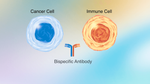
Monoclonal antibodies are laboratory-produced proteins designed to recognize specific biological targets.
They may attach to proteins on cancer cells, block growth signals, activate immune responses, or deliver therapeutic substances to targeted cells.
Some monoclonal antibodies are used independently, while others are combined with chemotherapy or additional cancer treatments.
3. CAR T-Cell Therapy
Chimeric Antigen Receptor (CAR) T-cell therapy is an advanced form of immunotherapy in which a patient's T cells are collected and genetically modified to recognize specific targets.
The modified cells are expanded in a laboratory and returned to the patient.
CAR T-cell therapy has produced important results in selected blood cancers, including certain leukemias, lymphomas, and multiple myeloma.
However, it can cause serious side effects and requires specialized medical facilities and monitoring.
4. Cancer Vaccines
Cancer vaccines are designed to stimulate immune responses against cancer-related targets.
Some therapeutic cancer vaccines aim to help the immune system recognize existing cancer cells, while preventive vaccines can reduce the risk of cancers associated with certain infections.
For example, HPV vaccination helps prevent infections associated with several types of cancer.
5. Cytokine Therapy
Cytokines are signaling proteins that help regulate immune system activity.
Certain cytokine-based treatments can stimulate immune responses or influence the activity of specific immune cells.
Interferons and interleukins are examples of cytokines that have been used in selected medical treatments.
6. Oncolytic Virus Therapy
Oncolytic virus therapy uses specially designed or naturally occurring viruses that can infect and destroy certain cancer cells while also stimulating immune responses.
These treatments are designed to take advantage of differences between cancer cells and normal cells.
Their use depends on the specific cancer type and approved treatment options.
7. Immunosuppressive Therapy
Not all immunotherapy treatments stimulate the immune system. Some treatments reduce or regulate immune activity when the immune system attacks healthy tissues.
Immunosuppressive therapies are used in certain autoimmune diseases, inflammatory disorders, and organ transplantation.
Examples include corticosteroids and other medicines that modify immune system function.
Applications of Immunotherapy
Immunotherapy has applications across several areas of modern medicine.
1. Cancer Treatment
Cancer is one of the most important areas of immunotherapy research and clinical use.
Some tumors can avoid immune detection by producing signals that suppress immune responses. Immunotherapy aims to overcome these mechanisms and help the immune system recognize abnormal cells.
Depending on the cancer type, immunotherapy may be used alone or alongside chemotherapy, radiation therapy, targeted therapy, or surgery.
2. Autoimmune Disease Management
Autoimmune diseases develop when the immune system mistakenly attacks healthy tissues.
Certain immunotherapies help regulate excessive immune activity and reduce inflammation.
These approaches are used in selected conditions such as rheumatoid arthritis, psoriasis, and inflammatory bowel disease.
3. Allergy Treatment
Allergen immunotherapy is used for selected allergic conditions. It involves controlled exposure to specific allergens to help the immune system develop greater tolerance over time.
It may be used for certain pollen allergies, dust mite allergies, and insect venom allergies under medical supervision.
4. Infectious Disease Research
Researchers are investigating immunotherapy approaches that strengthen immune responses against infectious microorganisms.
Antibody-based treatments and other immune-modulating approaches may be useful in selected infectious disease settings.
5. Organ Transplantation
After an organ transplant, the recipient's immune system may recognize the transplanted organ as foreign.
Immunosuppressive medicines help reduce the risk of organ rejection by controlling immune responses.
Key Benefits of Immunotherapy
More Targeted Treatment Approaches
Some immunotherapies recognize specific proteins or biological pathways associated with disease. This can help direct treatment toward particular targets.
Long-Lasting Immune Responses
Certain cancer immunotherapies can produce durable responses in some patients. In selected cases, immune activity may continue to control disease even after treatment has ended.
However, long-term responses are not guaranteed and vary significantly between individuals.
Treatment for Selected Advanced Cancers
Immunotherapy has created additional treatment options for patients with certain advanced or previously difficult-to-treat cancers.
Personalized Treatment Opportunities
Biomarker testing and tumor analysis can help identify patients who may benefit from specific immunotherapy approaches.
Combination Treatment Options
Immunotherapy may be combined with other treatments to improve disease control. The appropriate combination depends on the medical condition and treatment evidence.
Potential Side Effects and Risks of Immunotherapy
Although immunotherapy can provide important benefits, it may also cause side effects.
The type and severity depend on the treatment mechanism, dose, individual health factors, and other medicines being used.
Common side effects may include:
Fatigue
Fever
Skin rash
Diarrhea
Nausea
Muscle or joint pain
Reduced appetite
Some immunotherapies can cause immune-related adverse events in which the immune system attacks healthy organs or tissues.
These complications may affect the lungs, liver, intestines, thyroid gland, or other organs.
CAR T-cell therapy can cause serious complications such as cytokine release syndrome and neurological toxicity.
Patients receiving immunotherapy should be monitored by qualified healthcare professionals. New or worsening symptoms should be reported promptly because some immune-related side effects require urgent medical attention.
Factors That Influence Immunotherapy Treatment Success
Immunotherapy does not work equally well for every patient. Several factors can influence treatment outcomes.
Type and Stage of Disease
Different diseases respond differently to immunotherapy. In cancer care, treatment effectiveness may depend on the cancer type, stage, and biological characteristics of the tumor.
Biomarker Expression
Certain biomarkers can help predict whether a patient may respond to specific immunotherapies.
For example, PD-L1 expression and mismatch repair deficiency may influence treatment decisions for selected cancers.
Immune System Condition
A patient's immune health and underlying medical conditions may affect treatment response and the risk of side effects.
Previous Treatments
Earlier chemotherapy, radiation therapy, targeted therapy, or other treatments may influence the effectiveness and selection of immunotherapy.
Combination With Other Therapies
Some patients may benefit from combining immunotherapy with other treatment approaches. However, combination treatments can also increase side effects and require careful medical evaluation.
Challenges in Immunotherapy Development
Despite significant progress, immunotherapy research and treatment face several challenges.
Variable treatment response: Some patients respond strongly, while others experience limited or no benefit.
Immune-related side effects: Treatments that activate immune responses can sometimes damage healthy tissues.
Treatment resistance: Cancer cells may develop mechanisms that reduce their sensitivity to immunotherapy.
High treatment costs: Advanced immunotherapies can require expensive medicines, specialized facilities, and complex manufacturing processes.
Complex manufacturing: Cell-based therapies require specialized collection, processing, testing, and delivery systems.
Limited availability: Some advanced treatments are available only at specialized healthcare centers.
Need for better biomarkers: Researchers continue to investigate more reliable methods for identifying patients who are likely to benefit from specific treatments.
Future Trends in Immunotherapy
Advances in biotechnology and medical research are creating new opportunities for immunotherapy development.
Personalized Immunotherapy
Researchers are developing treatment strategies based on individual tumor characteristics, immune profiles, and molecular biomarkers.
This approach may improve treatment selection and reduce unnecessary exposure to ineffective therapies.
Advanced CAR T-Cell Technologies
Research is focused on improving CAR T-cell performance, reducing side effects, and expanding treatment options to additional cancer types.
Scientists are also exploring approaches that use donor-derived immune cells and other engineered cellular platforms.
Combination Immunotherapy
Combining different immunotherapies or using immunotherapy alongside conventional cancer treatments may improve outcomes in selected conditions.
Research is helping determine which combinations are most effective and how to manage their risks.
Artificial Intelligence in Treatment Planning
Artificial intelligence may help analyze medical images, genetic information, and biomarker data to support treatment research and patient selection.
Clinical validation remains essential before these tools can be relied upon in healthcare decisions.
Development of New Immune-Based Medicines
Researchers are investigating new antibodies, immune cell therapies, therapeutic vaccines, and other biological treatments to address diseases that remain difficult to manage.
Conclusion
Immunotherapy is an important advancement in modern medicine that uses or modifies the immune system to treat diseases. It has transformed treatment options for selected cancers and continues to support research into autoimmune disorders, allergies, infectious diseases, and other medical conditions.
Major approaches include immune checkpoint inhibitors, monoclonal antibodies, CAR T-cell therapy, cancer vaccines, cytokine therapy, and immunosuppressive treatments. Each approach works differently and is suitable for specific medical conditions.
Although challenges such as treatment resistance, side effects, high costs, and variable patient responses remain, advances in personalized medicine, biotechnology, and immune cell engineering continue to expand the potential of immunotherapy.