Digital Twin System Overview: Discover Key Facts, Insights, and Essential Knowledge
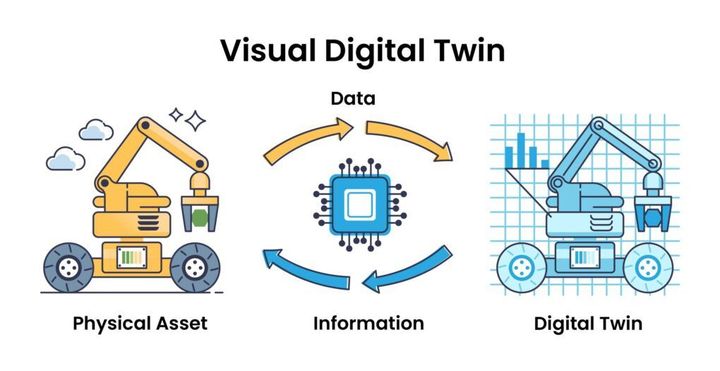
Digital twin systems are virtual representations of physical objects, processes, or environments.
These systems use data from sensors, software models, and analytics to mirror real-world conditions in a digital format. An industrial digital twin platform, for example, can represent machinery, production lines, or entire factories in real time.
The concept originates from engineering and simulation practices, where digital models were used to test designs before physical production. Over time, this evolved into digital twin technology in manufacturing, where real-time data feeds allow continuous monitoring and analysis. Today, digital twin system architecture connects physical assets with cloud-based systems, enabling ongoing updates and insights.
Digital twins are not limited to factories. They are also used in urban planning, healthcare, transportation, and energy systems. In smart cities, digital twin solutions for smart cities simulate infrastructure such as roads, utilities, and buildings to improve planning and operations.
Importance
Digital twin systems matter because they help people understand complex systems without directly interacting with them. This is useful in environments where testing or monitoring physical systems is difficult, expensive, or risky.
In manufacturing, digital twin technology in manufacturing helps track machine performance and identify potential issues early. This reduces downtime and improves efficiency. In cities, smart infrastructure digital twin systems allow planners to study traffic flow, energy use, and environmental conditions before making decisions.
Key reasons why digital twin systems are important include:
- Improved decision-making: Digital twin analytics software provides insights based on real-time and historical data.
- Predictive analysis: Systems can simulate future scenarios, helping organizations prepare for possible outcomes.
- Resource optimization: By analyzing system behavior, resources such as energy, materials, and time can be used more efficiently.
- Enhanced safety: Virtual testing reduces the need for physical trials in risky environments.
These benefits extend beyond industries and affect everyday life. For example, improved infrastructure planning can reduce traffic congestion, while better manufacturing processes can lead to more reliable products.
Recent Updates
Digital twin systems have seen steady development in recent years. Advances in cloud computing, artificial intelligence, and the Internet of Things (IoT) have made these systems more accessible and scalable.
One major trend is the integration of enterprise digital twin analytics with large-scale data platforms. This allows organizations to analyze multiple systems at once, rather than focusing on a single asset. Another development is the use of digital twin simulation platforms to test complex scenarios, such as supply chain disruptions or climate-related changes.
Other notable trends include:
- AI-driven insights: Machine learning models are being integrated into digital twin analytics software to improve predictions.
- Edge computing adoption: Data processing is increasingly happening closer to the source, reducing delays.
- Interoperability improvements: Systems are being designed to work across different platforms and industries.
- Urban applications: Digital twin solutions for smart cities are expanding to include energy grids, water systems, and public transportation networks.
These developments indicate a shift from isolated applications to broader, interconnected ecosystems.
Laws or Policies
Digital twin systems are influenced by regulations related to data, privacy, and infrastructure management. Since these systems rely on large amounts of real-time data, governments have introduced policies to ensure responsible use.
In many countries, data protection laws regulate how information is collected, stored, and processed. For example, organizations using digital twin system architecture must ensure that personal or sensitive data is handled securely.
Key policy areas affecting digital twin systems include:
- Data protection regulations: These laws require transparency in data usage and protection against unauthorized access.
- Cybersecurity standards: Systems must follow guidelines to prevent data breaches and system failures.
- Infrastructure regulations: In smart cities, digital twin solutions must align with public safety and urban planning policies.
- Environmental guidelines: Digital twins used in energy and environmental monitoring must comply with sustainability frameworks.
In India, initiatives related to smart infrastructure digital twin systems are often linked to broader digital transformation and urban development programs. These policies aim to improve efficiency while maintaining public safety and privacy.
Tools and Resources
Various tools and platforms support the development and use of digital twin systems. These tools help create, manage, and analyze digital models across different industries.
Common categories of tools include:
- Digital twin simulation platform tools: These allow users to create virtual models and run simulations under different conditions.
- Digital twin analytics software: These tools analyze data from sensors and systems to provide insights and forecasts.
- Enterprise digital twin analytics platforms: These integrate data from multiple sources, enabling large-scale analysis.
- IoT integration tools: These connect physical devices to digital systems, ensuring real-time data flow.
Below is a simple comparison of common tool types:
| Tool Type | Primary Function | Typical Use Case |
|---|---|---|
| Simulation platforms | Model and test virtual systems | Product design and testing |
| Analytics software | Analyze data and generate insights | Performance monitoring |
| Enterprise analytics platforms | Integrate large-scale system data | Multi-site operations |
| IoT integration tools | Connect devices and collect data | Real-time system tracking |
These tools are often used together within a digital twin system architecture to create a complete and functional system.
FAQs
What is an industrial digital twin platform?
An industrial digital twin platform is a system that creates a digital representation of physical assets such as machines or production lines. It uses real-time data to monitor performance and simulate operations.
How does digital twin technology in manufacturing work?
Digital twin technology in manufacturing works by collecting data from sensors attached to equipment. This data is processed and displayed in a digital model, allowing users to monitor and analyze system behavior.
What is digital twin system architecture?
Digital twin system architecture refers to the structure that connects physical assets, data sources, and digital models. It typically includes sensors, data processing systems, and visualization tools.
How are digital twin solutions for smart cities used?
Digital twin solutions for smart cities are used to simulate and manage urban systems such as transportation, energy, and water supply. They help planners understand how changes may affect the city.
What is a digital twin simulation platform?
A digital twin simulation platform is a tool that allows users to create and test virtual models of real-world systems. It helps in analyzing different scenarios without affecting physical systems.
Conclusion
Digital twin systems provide a way to understand and manage complex systems through virtual models. They combine real-time data, simulation, and analytics to improve decision-making across industries. From manufacturing to urban planning, these systems are becoming more widely used. As technology continues to evolve, digital twins are likely to play a growing role in shaping how systems are designed and managed.